
Case Study / Section 04: Leadership, Social Impact & Systems
Katrina Furniture Project (YOU Orleans)
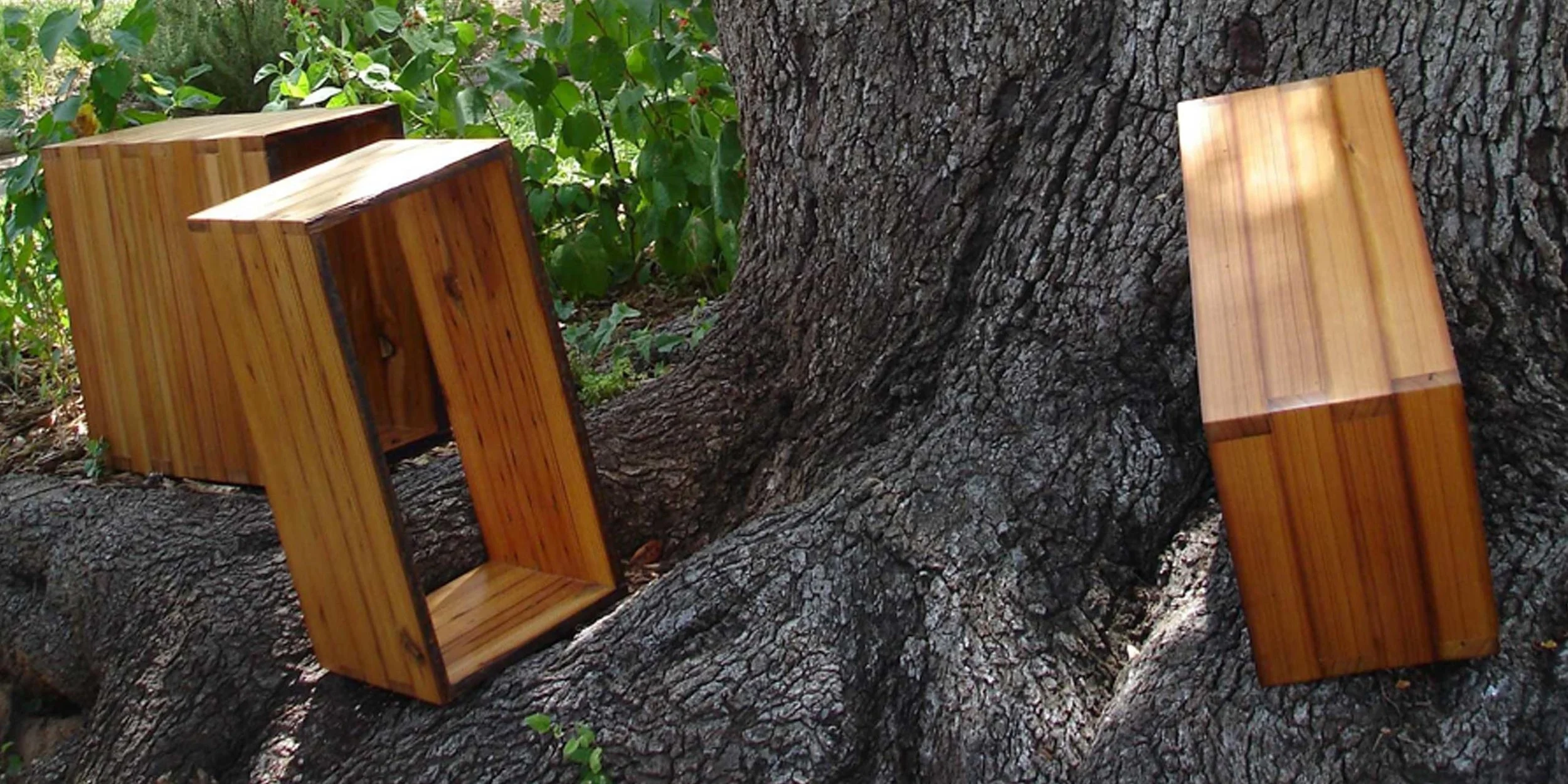
Collaborative post-disaster wood waste upcycling and community resilience in New Orleans. Transforming salvaged architectural timber—including historic virgin cypress and 100-year-old barge boards—into three functional furniture prototypes that provided economic, environmental, and emotional relief.
01 / The Challenge
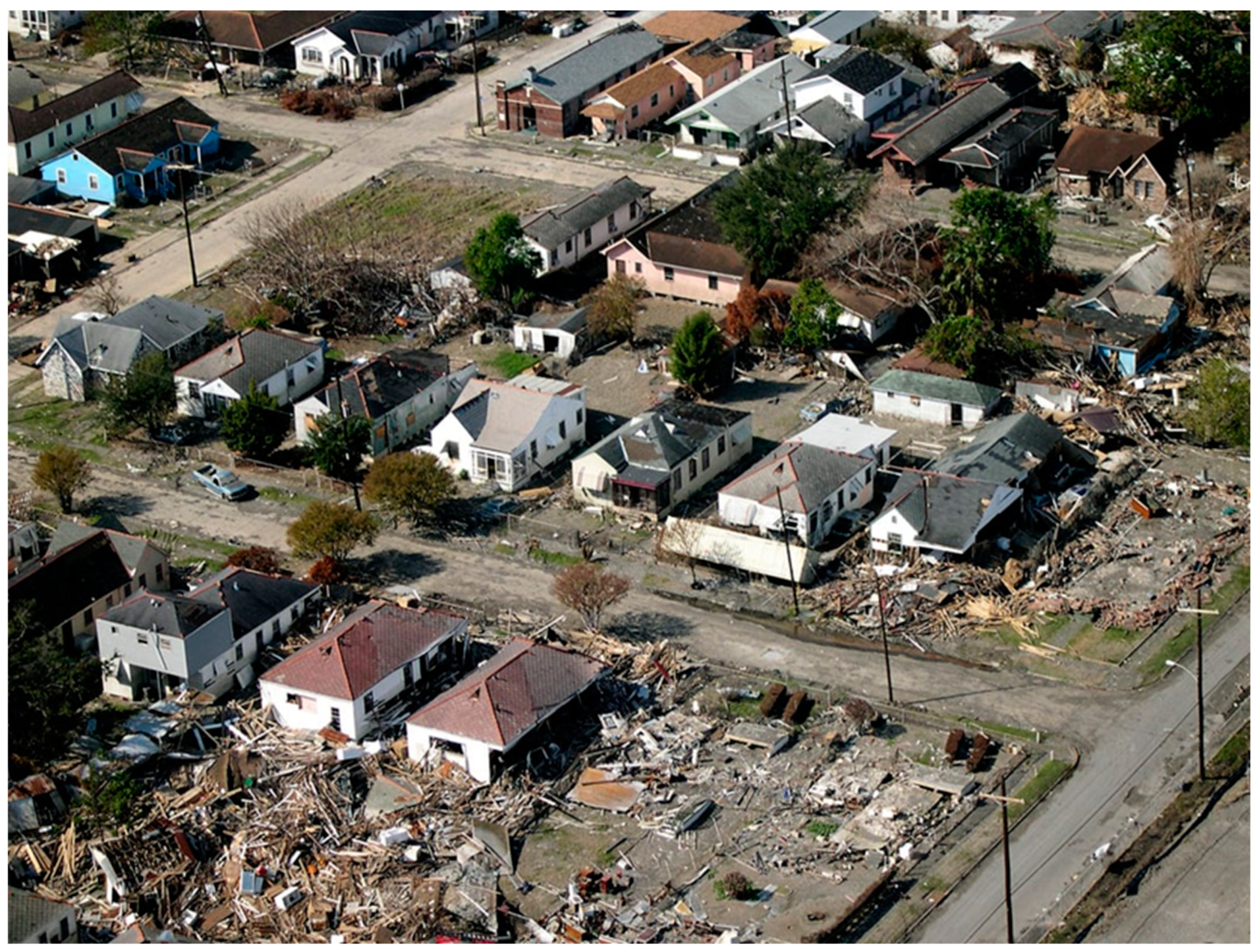
In the aftermath of Hurricanes Katrina and Rita, New Orleans faced an environmental and social crisis, generating over 75 million cubic yards of debris. Among the destruction were irreplaceable historic architectural timbers—including virgin cypress and 2-inch-thick antique oak barge boards harvested over a century earlier.
The primary goal was organizing a collaborative design workshop alongside local residents, artisans, and university teams to intercept this material before it reached landfills. The challenge required balancing technical wood upcycling with human empathy: creating functional prototypes while fostering economic opportunity, professional skill building, and social recovery within an affected community.
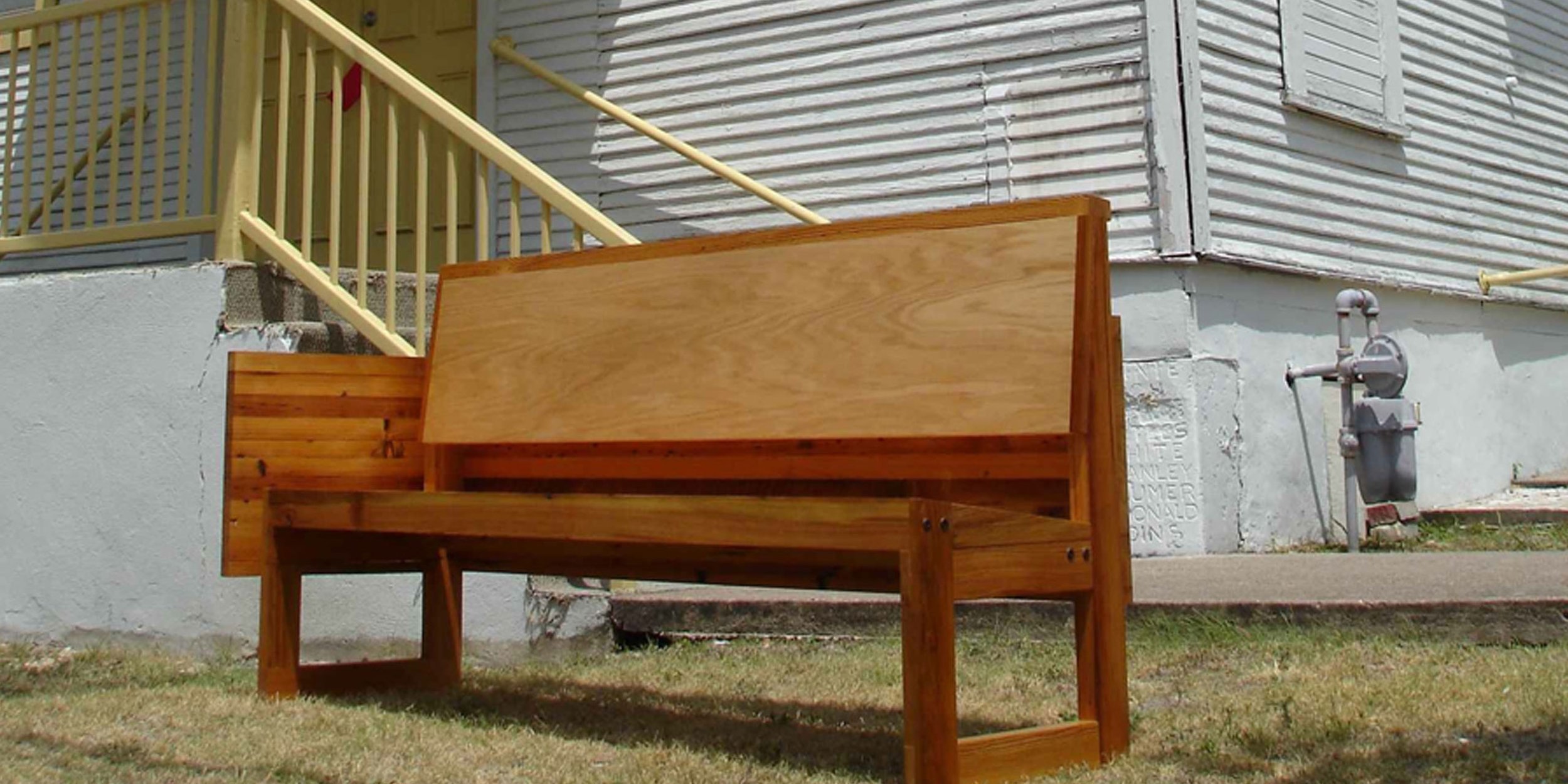
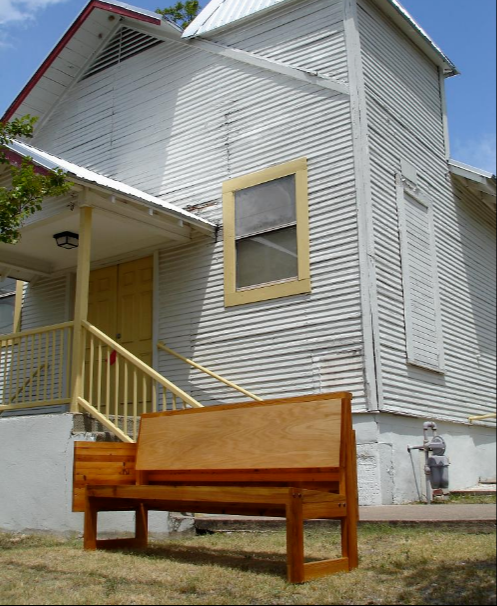
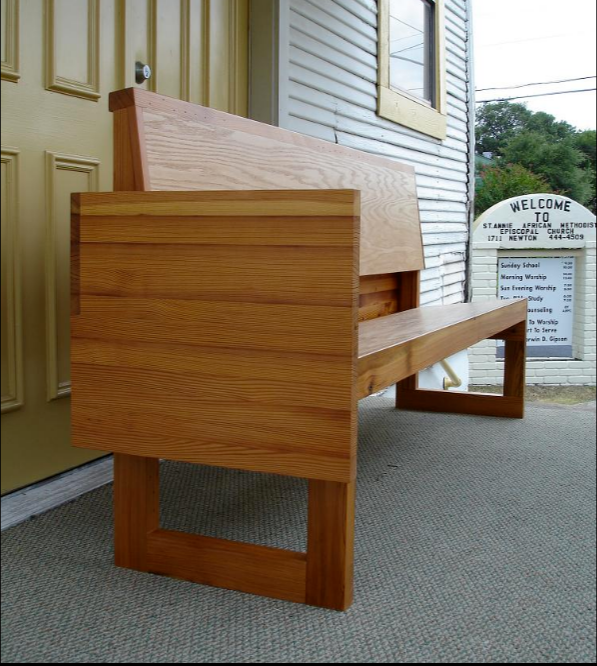
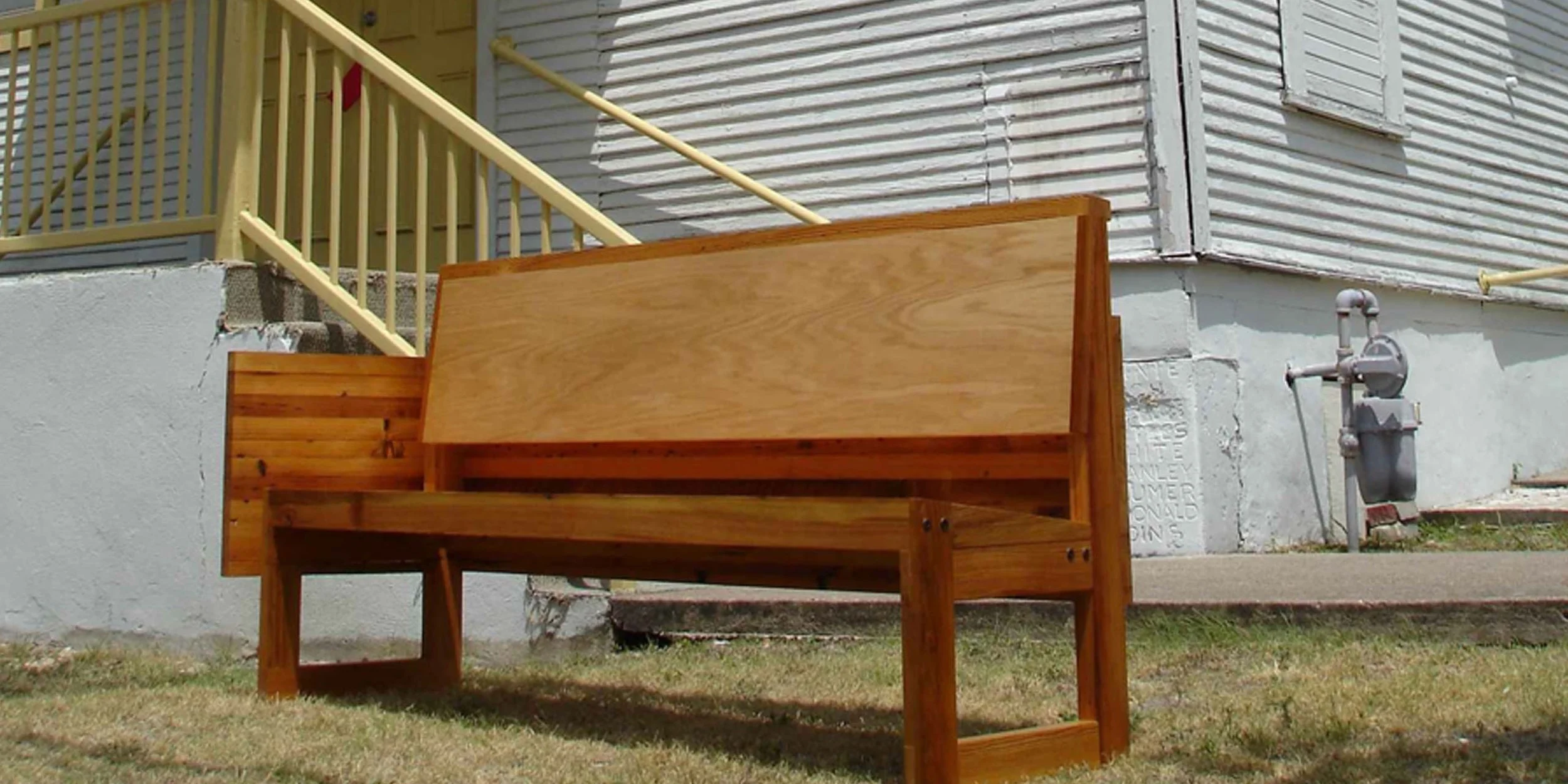
Katrina Funiture Project - Church Pew
02 / Research, Co-Design & Prototyping
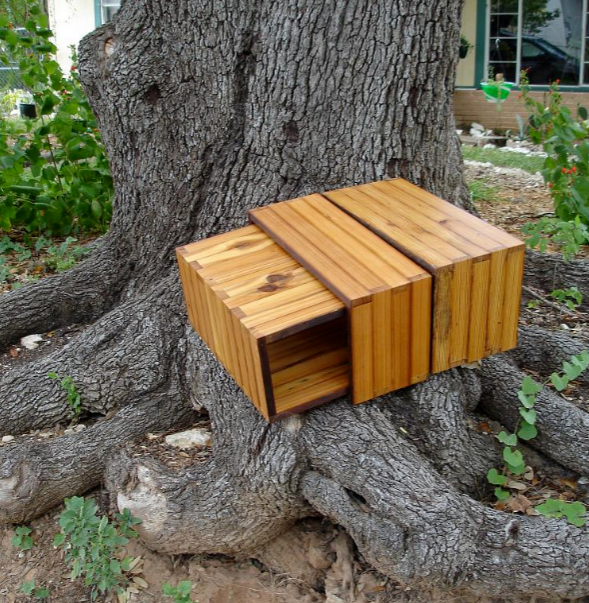
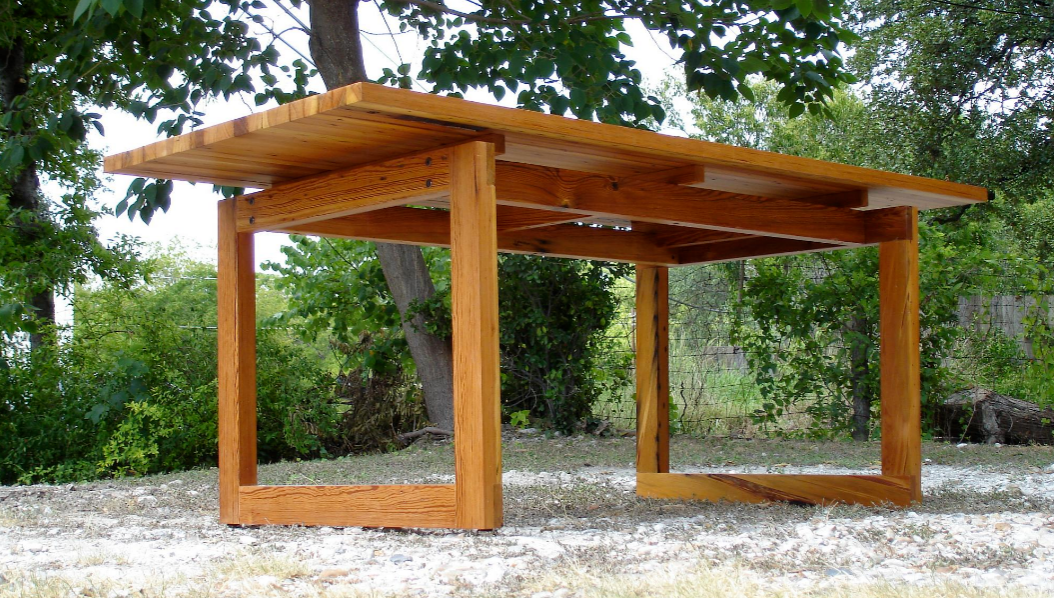
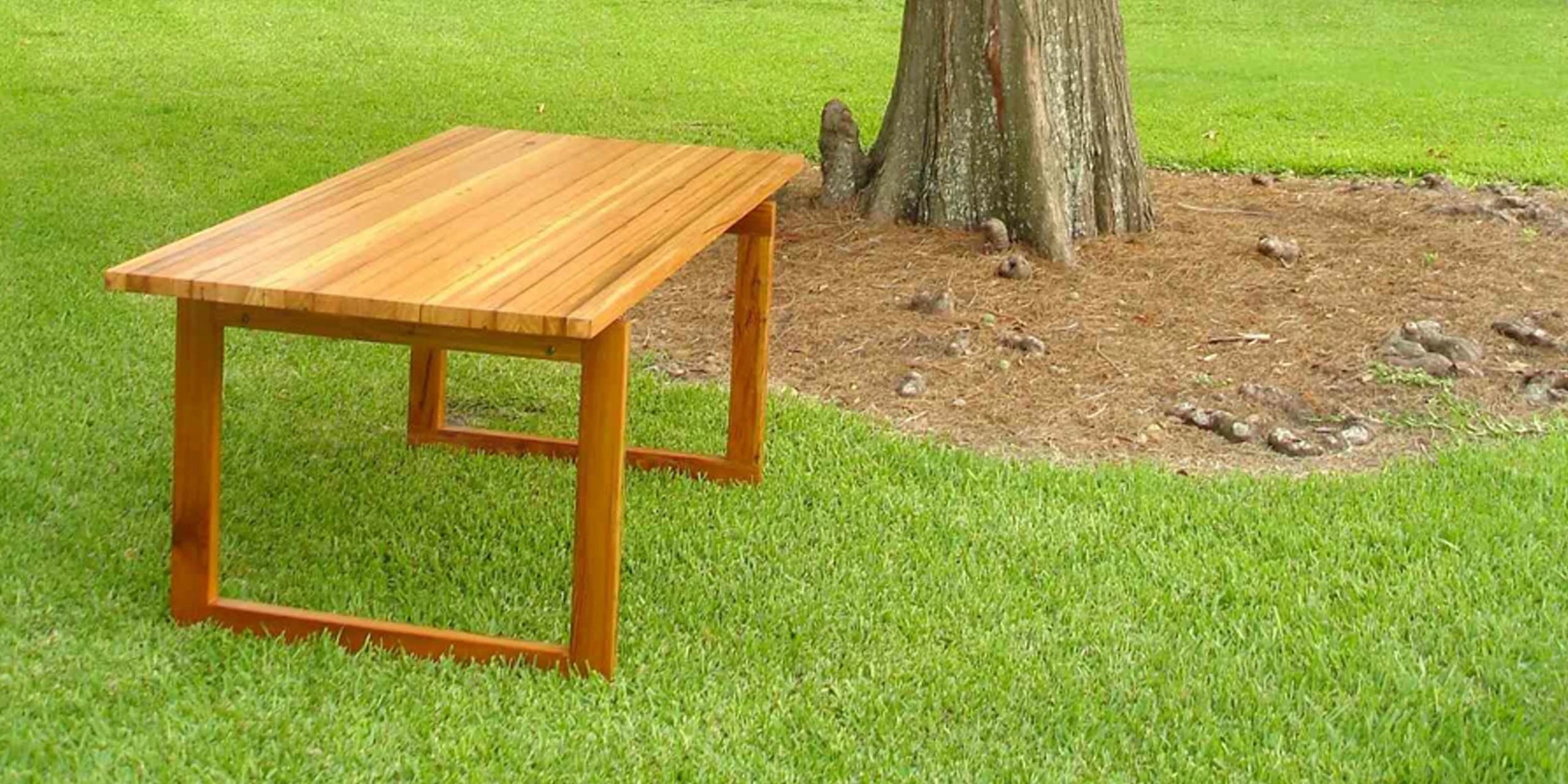
3 Core Furniture Prototypes
Represented ArtCenter College of Design to co-research, design, and prototype three distinct furniture systems specifically optimized for execution with irregular, salvaged post-disaster timber.
Adaptive Joinery & Tooling
Formulated approachable joinery and fabrication workflows that enabled community members with varying technical skill levels to safely participate in building high-quality, durable furniture.
Community Immersion & Listening
Embedded directly within the New Orleans community to listen, learn, and build mutual trust, demonstrating how collaborative physical crafting can serve as a catalyst for social healing.
03 / Impact & Resilience
- Social Resilience & Healing: Fostered community empowerment by providing local residents with vocational skills, direct income through e-commerce, and a shared platform for emotional recovery.
- Material Conservation: Diverted historic, non-renewable timber (antique virgin cypress and century-old barge boards) away from landfills into high-value secondary products.
- Enduring Academic Legacy: Established a collaborative co-design framework cited in scientific literature as a pioneering benchmark for post-disaster wood waste upcycling and circular economy design.